China exports record half a million plug-in cars in June
China exports over half a million plug-in cars for first time in June, according to industry data. The country’s New Energy Vehicle (NEV) market hit a new record in June, with 58.5% of all new car sales falling into the NEV category. This includes battery-electric vehicles (BEVs), plug-in hybrids (PHEVs), and fuel cell vehicles. The milestone comes as domestic demand and export growth converge, reshaping global automotive trends.
Industry data shows 1.643 million NEVs were sold in June alone, marking a 23.6% increase from June 2023 and a 9.8% rise from May. Production of NEVs reached 1.598 million units, up 26% year-on-year. BEV sales surged 33% to 1.142 million units, while PHEVs rose 6.5% to 500,000. These figures highlight a shift in consumer preference and manufacturing capacity toward electrification.
Domestic sales of NEVs in the first half of the year totaled 7.45 million units, a 7.3% increase compared to the same period in 2023. NEVs accounted for 49.6% of all new car sales from January to June, nearly matching the share of conventionally powered vehicles. Meanwhile, the broader passenger car market saw slower growth, with 2.81 million units sold in June—up 6.9% from May but down 3.2% year-on-year. Weak domestic demand, linked to the phaseout of purchase incentives, has pushed manufacturers to focus on exports.
Related: Nio opens battery research hub in Shanghai
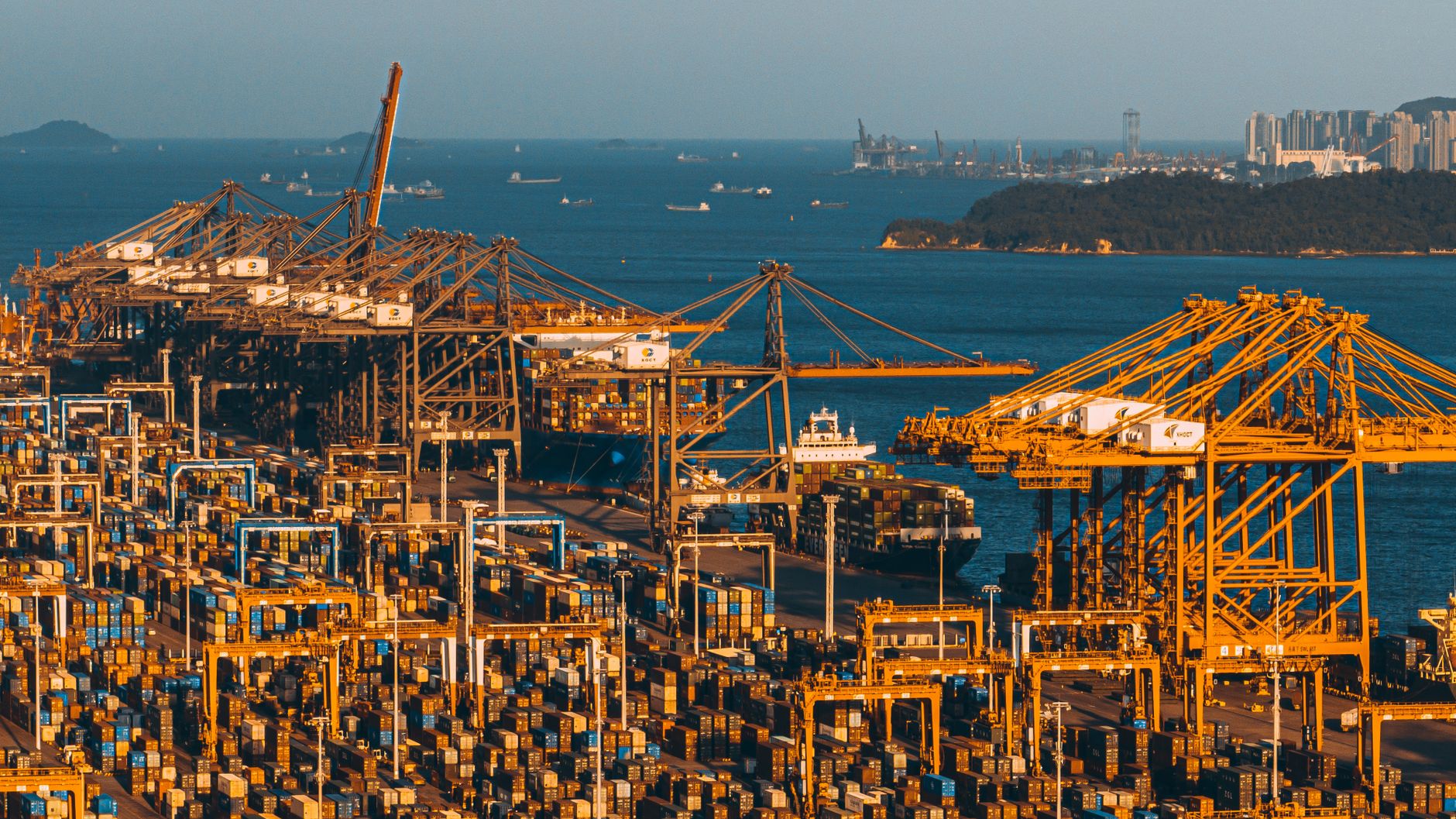
China’s NEV exports hit a record 523,000 units in June, surpassing the half-million mark for the first time. This marks a 1.6-fold increase from June 2023. Of these, 309,000 were BEVs and 214,000 were PHEVs. PHEV exports grew 90% year-on-year, outpacing BEV growth. Over the first half of 2024, China exported 5.1 million vehicles, including 2.36 million NEVs—a 65.3% increase from the same period in 2023.
These developments align with the government’s 15th Five-Year Plan, which aims for alternative drivetrains to make up 30% of the total vehicle fleet by 2030. To meet this target, the current NEV fleet would need to double in the next five years. Infrastructure expansion, including charging networks and hydrogen facilities, is central to this strategy. Despite phasing out direct subsidies, the country is prioritizing long-term fleet and industry goals.
While the export surge reflects strong international demand, challenges remain. The rapid pace of growth may strain supply chains and require sustained investment in infrastructure. Additionally, the phaseout of domestic incentives could test the resilience of the NEV market in China. Balancing export ambitions with local demand will be critical as the country moves toward its 2030 targets.


