The Dynamic World of Automotive: Driving Innovation and Evolution
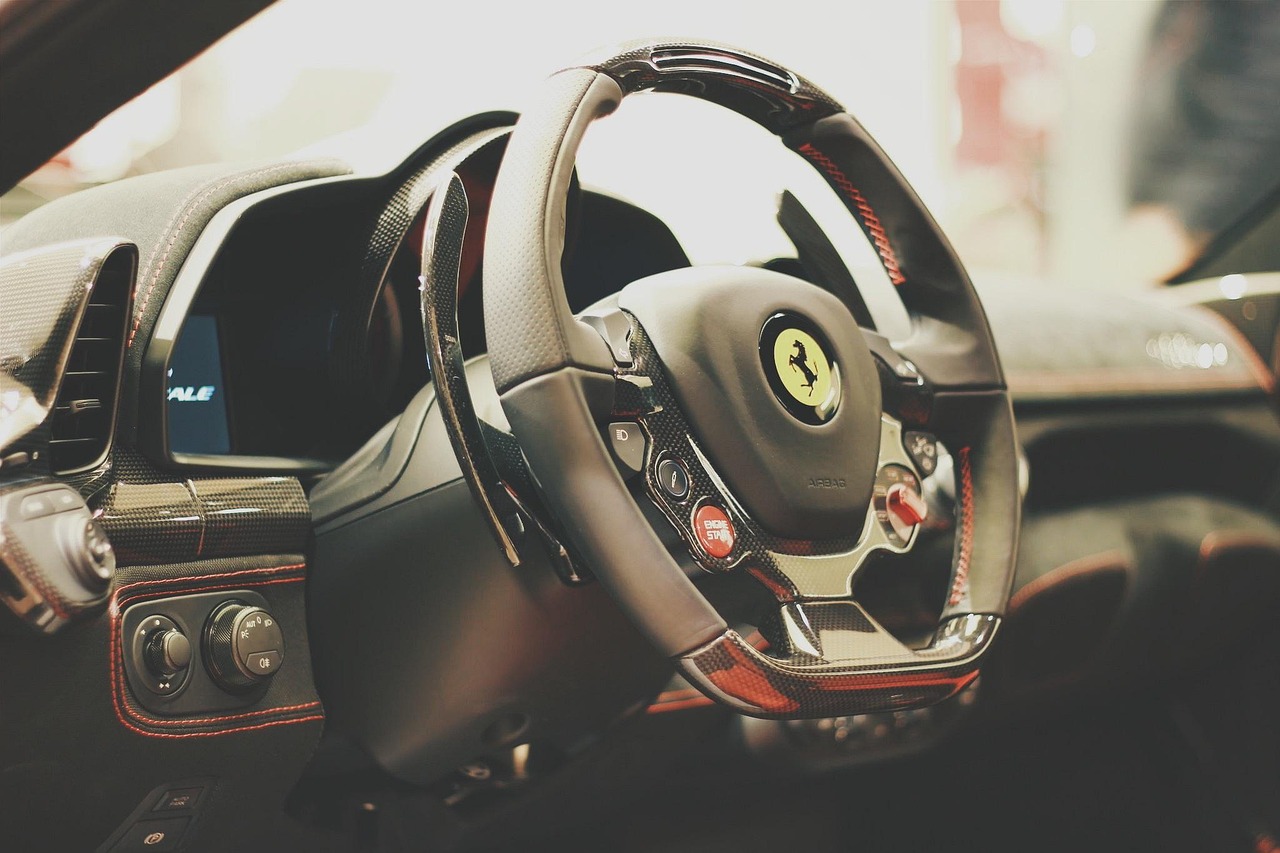
The automotive industry is a colossal force, relentlessly driving global economies, shaping landscapes, and influencing daily lives. Far more than just manufacturing vehicles, the automotive sector encompasses a vast ecosystem of design, engineering, production, marketing, sales, and after-sales services. It’s a realm where cutting-edge technology meets human ingenuity, constantly evolving to meet the demands of performance, safety, sustainability, and connectivity. From the roar of a powerful engine to the silent glide of an electric vehicle, the world of automotive is a testament to progress and an unwavering pursuit of better mobility solutions.
A Legacy of Motion: From Horsepower to High-Tech
The journey of the automotive industry began with humble, albeit revolutionary, steps. Karl Benz’s patent for the first automobile in 1886 ignited an era of unparalleled innovation. Early vehicles were luxury items, but Henry Ford’s assembly line democratized car ownership, transforming the automobile from a curiosity into a necessity for the masses. This pivotal shift spurred rapid advancements in engine design, chassis development, and manufacturing processes, laying the foundation for the sophisticated machines we know today.
Read More: Contoh Artikel Terkait Akan Muncul di Sini
Over the decades, the focus broadened from mere propulsion to encompass vital aspects like safety, fuel efficiency, and passenger comfort. Iconic designs emerged, performance benchmarks were set, and the global automotive market blossomed. Each era brought its own challenges and triumphs, from adapting to oil crises with more efficient engines to embracing advanced materials for lighter, stronger, and safer vehicles. This rich legacy of continuous improvement underscores the industry’s capacity for transformation.
The Pillars of Modern Automotive Technology
Modern vehicles are marvels of engineering, integrating a multitude of complex systems. The advancements across various technological domains are what truly define the contemporary automotive experience:
- Engine & Powertrain Advancements: While internal combustion engines continue to improve in efficiency and emissions control, the focus has dramatically shifted towards hybrid and fully electric powertrains. These innovations promise reduced environmental impact and superior energy conversion.
- Safety Features: Beyond traditional airbags and anti-lock brakes (ABS), modern cars boast advanced driver-assistance systems (ADAS) like adaptive cruise control, lane-keeping assist, automatic emergency braking, and blind-spot monitoring, significantly reducing accident risks.
- Infotainment & Connectivity: Integrated touchscreens, voice commands, smartphone integration (Apple CarPlay, Android Auto), navigation systems, and in-car Wi-Fi have transformed the cabin into a connected hub, enhancing convenience and entertainment.
- Materials Science: The pursuit of lighter yet stronger vehicles drives innovation in materials, from high-strength steel and aluminum alloys to carbon fiber composites, improving fuel economy and crashworthiness.
- Sensors and Computing: A dense network of sensors (radar, lidar, cameras, ultrasonic) feeds data to powerful onboard computers, enabling sophisticated control systems and paving the way for autonomous driving.
The Electric Revolution: A Paradigm Shift
Perhaps no segment of the automotive industry has captured public imagination and investment like Electric Vehicles (EVs). Fueled by environmental concerns, government incentives, and rapid technological progress in battery chemistry and electric motor efficiency, EVs are no longer a niche market but a rapidly expanding mainstream option. Major manufacturers are committing billions to electrify their entire lineups, signaling a definitive shift away from fossil fuels.
EVs offer numerous benefits, including zero tailpipe emissions, lower running costs due to cheaper electricity compared to gasoline, and often a quieter, smoother driving experience. However, challenges such as range anxiety, the availability of charging infrastructure, and the initial purchase price remain areas of ongoing development and investment. Despite these hurdles, the electric revolution is undeniably in full swing, promising a cleaner, more sustainable future for personal transport.
Autonomous Driving: The Road Ahead
Another transformative frontier in automotive technology is autonomous driving, or self-driving cars. This concept envisions vehicles that can operate with minimal or no human intervention, relying on an array of sensors, artificial intelligence, and sophisticated mapping data. While fully autonomous vehicles (Level 5) are still some years away from widespread deployment, cars with advanced Level 2 and Level 3 capabilities are already on the roads, assisting drivers with tasks like highway cruising and parking.
The potential benefits of autonomous driving are immense: a significant reduction in accidents caused by human error, improved traffic flow and reduced congestion, increased accessibility for those unable to drive, and the freeing up of commuting time for other activities. Yet, significant challenges persist, including regulatory frameworks, cybersecurity concerns, the development of robust AI capable of handling unpredictable real-world scenarios, and perhaps most crucially, building public trust in machines to navigate our roads safely.
Sustainable Practices in the Automotive Industry
Beyond the shift to EVs, the automotive industry is increasingly embracing sustainability across its entire value chain. Manufacturers are investing in greener production processes, aiming to reduce energy consumption, water usage, and waste generation in their factories. The use of recycled and renewable materials in vehicle interiors and components is becoming more common, along with designing vehicles for easier recycling at the end of their lifecycle.
Corporate responsibility extends to supply chain ethics, responsible sourcing of raw materials (especially for batteries), and efforts to minimize the overall carbon footprint of vehicle manufacturing and distribution. This holistic approach to sustainability is crucial as the industry strives to meet global environmental targets and consumer expectations.
The Future of Vehicle Ownership and Mobility
The traditional model of individual car ownership is also undergoing evolution. The rise of ride-sharing services, car-subscription models, and integrated multimodal transport solutions suggests a future where personal mobility might be less about owning a specific vehicle and more about accessing transportation as a service. Smart cities are integrating vehicles with infrastructure to optimize traffic, parking, and public transit.
Furthermore, personalization and user experience will become paramount. Vehicles may increasingly serve as extensions of our digital lives, learning our preferences, anticipating our needs, and seamlessly connecting us to our homes and workplaces. The focus is shifting from simply getting from A to B to enhancing the entire journey experience.
Navigating the Automotive Market: Buying, Selling, and Maintaining
For consumers, the automotive market offers an unprecedented array of choices. Whether buying a new car, a certified pre-owned vehicle, or exploring leasing options, thorough research is key. Understanding your needs, budget, and the total cost of ownership (including insurance, fuel/charging, and maintenance) is crucial. The digital age has empowered buyers with vast amounts of information, from expert reviews to consumer ratings.
Regular vehicle maintenance remains a critical aspect of car ownership, regardless of whether you drive a gasoline-powered car or an EV. Adhering to manufacturer-recommended service schedules helps ensure safety, prolongs the vehicle’s lifespan, and maintains its resale value. From oil changes and tire rotations to battery health checks for EVs, proactive care is essential for a reliable and enjoyable driving experience.
Conclusion: The Unstoppable Momentum of Automotive Innovation
The automotive industry is in a perpetual state of flux, driven by relentless innovation and an unwavering commitment to meeting evolving societal needs. From its humble beginnings to today’s complex, interconnected vehicles, the journey has been one of continuous advancement. The ongoing electric revolution, the promise of autonomous driving, and a deeper focus on sustainability are reshaping how we perceive and interact with personal transportation. As the industry navigates new technological horizons and societal shifts, one thing remains clear: the world of automotive will continue to be a fascinating and essential driver of progress for generations to come, consistently pushing the boundaries of what’s possible on four wheels.


