The Future of Automotive News: What to Expect
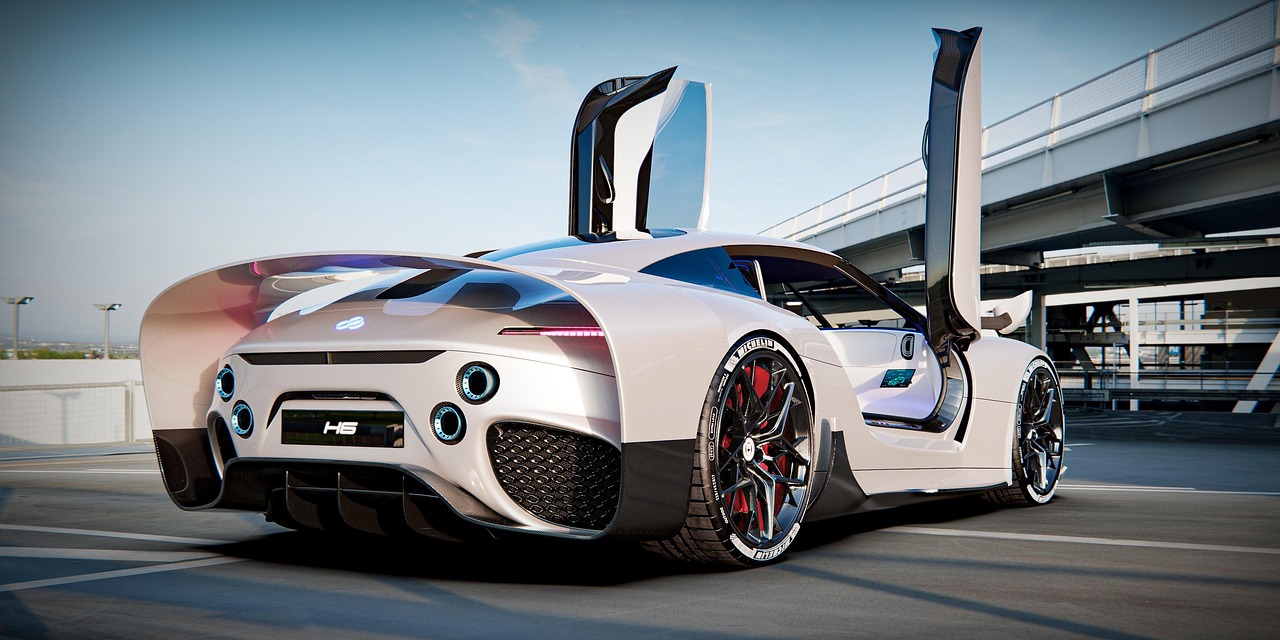
The Road Ahead: Navigating the Future of Automotive News
For decades, automotive news followed a predictable rhythm: annual auto shows, monthly magazine glossies, and the occasional “spy shot” of a camouflaged prototype. However, the internal combustion engine isn’t the only thing being disrupted. As the industry pivots toward electrification, autonomy, and connectivity, the medium of automotive journalism is shifting into high gear. The future of automotive news promises to be more data-driven, immersive, and personalized than ever before, moving away from simple performance specs toward a holistic view of mobility.
Hyper-Personalization and AI-Driven Content
The “one-size-fits-all” approach to car news is rapidly becoming a relic of the past. In the coming years, artificial intelligence will play a central role in how enthusiasts and consumers receive information. Rather than scrolling through generic headlines about every new SUV launch, readers will interact with platforms that curate news based on their specific driving habits, geographic location, and purchasing intent.
- Predictive Buying Guides: News outlets will use AI to analyze a reader’s lifestyle and suggest vehicles that fit their specific carbon footprint goals or commuting patterns.
- Localized Infrastructure Updates: Future news feeds will prioritize information about local EV charging networks or city-specific autonomous driving regulations.
- Niche Community Curation: AI will help surface deep-dive technical content for enthusiasts interested in specific sub-sectors, such as solid-state battery breakthroughs or vintage restoration techniques.
From Horsepower to Processing Power: A Shift in Focus
Historically, automotive journalism centered on 0-60 mph times, torque, and handling. While these metrics still matter, the narrative is shifting toward software-defined vehicles (SDVs). The future of automotive news will look more like tech journalism. Readers can expect detailed coverage on operating systems, over-the-air (OTA) updates, and in-car user interfaces.
Journalists will become experts in cybersecurity, evaluating how well a vehicle protects driver data, and in software stability, reviewing the latest infotainment “patches” just as they would a suspension tuning. The “specs” of the future will likely include teraflops of processing power and the sophistication of neural networks rather than just displacement and cylinder counts.
Immersive Storytelling through AR and VR
The way we visualize automotive news is moving beyond the 2D screen. Augmented Reality (AR) and Virtual Reality (VR) are set to revolutionize the “test drive” experience for readers. Imagine reading a review of a new sports car and, with a click, being able to project a full-scale 3D model of that car into your driveway using your smartphone or AR glasses.
Media outlets will increasingly offer virtual “walk-arounds” where readers can inspect the interior stitching or visualize the airflow over a vehicle’s aerodynamic body in real-time. This immersive approach will bridge the gap between reading about a car and experiencing it, making automotive news a more tactile and interactive medium.
Sustainability and the Ethics of the Supply Chain
As the industry moves toward a “net-zero” future, automotive news will broaden its scope to include the entire lifecycle of a vehicle. Transparency will be the new gold standard. Future reporting will not just focus on how a car drives, but where its battery minerals were mined and how its interior materials are recycled.
We can expect to see:
- Carbon Footprint Ratings: Standardized scores included in reviews that account for manufacturing emissions.
- Supply Chain Investigative Reporting: Deep dives into the ethical sourcing of cobalt, lithium, and rare earth metals.
- Second-Life Battery News: Information on what happens to EVs after their road life ends, focusing on grid storage and recycling innovations.
Conclusion
The future of automotive news is as much about the “news” as it is about the “automotive.” As vehicles evolve into complex, connected, and eco-conscious machines, the journalism surrounding them must become equally sophisticated. By leveraging AI, embracing software-centric reporting, and utilizing immersive technology, the automotive news niche will continue to provide the essential roadmap for a world in motion. For the reader, this means a more engaging, transparent, and tailored experience that goes far beyond the spec sheet.


