EU limits Chinese hybrid car imports
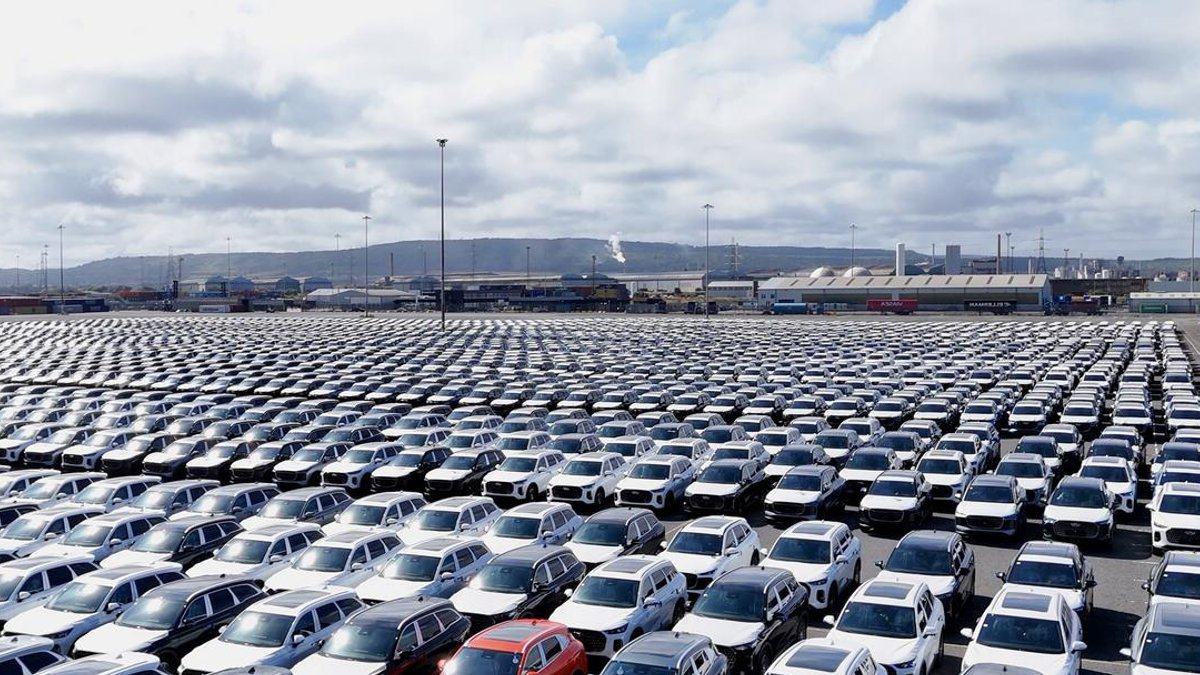
The European Union intends to set a ceiling on yearly imports of Chinese-manufactured hybrid and plug-in hybrid vehicles at 350,000, which could limit the amount reaching dealers throughout the bloc beginning in December. This restriction is projected to reduce Chinese hybrid shipments to the EU by more than half compared to unrestricted levels.
An estimated 800,000 Chinese-built hybrid and plug-in hybrid vehicles were expected to enter the EU in 2026. The initial limit, which will grow by 6% each year post-introduction, may decelerate Chinese manufacturers’ expansion that has leveraged these models to grow European sales while sidestepping duties imposed on battery electric vehicles imported from China.
Impact on Chinese Manufacturers
Cars produced by Chinese firms within the EU will be exempt from the cap, providing companies with facilities in Europe a pathway to sustain growth and speed up local manufacturing investments. BYD is establishing production sites in Hungary, and its proposed facility in Turkey would also grant the company market access via existing customs protocols.
Other players are reportedly evaluating assembly operations in Europe to mitigate exposure to trade curbs. The quota stems from talks between European trade commissioner Maroš Šefčovič and Chinese commerce minister Wang Wentao in Beijing.
Reaction from the European Commission
A senior EU commissioner noted that negotiations have yielded progress, though they are unlikely to address the underlying structural imbalance with China independently. The official emphasized that supplementary actions will be necessary alongside ongoing dialogue.
The import pact aligns with the EU’s broader strategy to bolster domestic production and lessen reliance on specific overseas suppliers. European auto industry group ACEA endorsed the interim agreement reached between the European Commission and China to tackle critical trade disparities.
Effect on the European Car Market
Per ACEA, the swift increase in Chinese plug-in hybrid and hybrid vehicle imports is creating market instability. In H1 2026, Chinese brands held a 14% share of the hybrid segment and 25% of the plug-in hybrid market in Europe.
Sigrid de Vries, ACEA’s director-general, warned that a abrupt market disruption in Europe, coupled with price competition akin to China’s current conditions, would significantly disrupt the broader economy. The accord can aid in steering a managed transition toward a new phase of Chinese market participation in Europe, which aligns with the long-term interests of all involved, she stated.


