Toyota Unveils New Sports Car Lineup
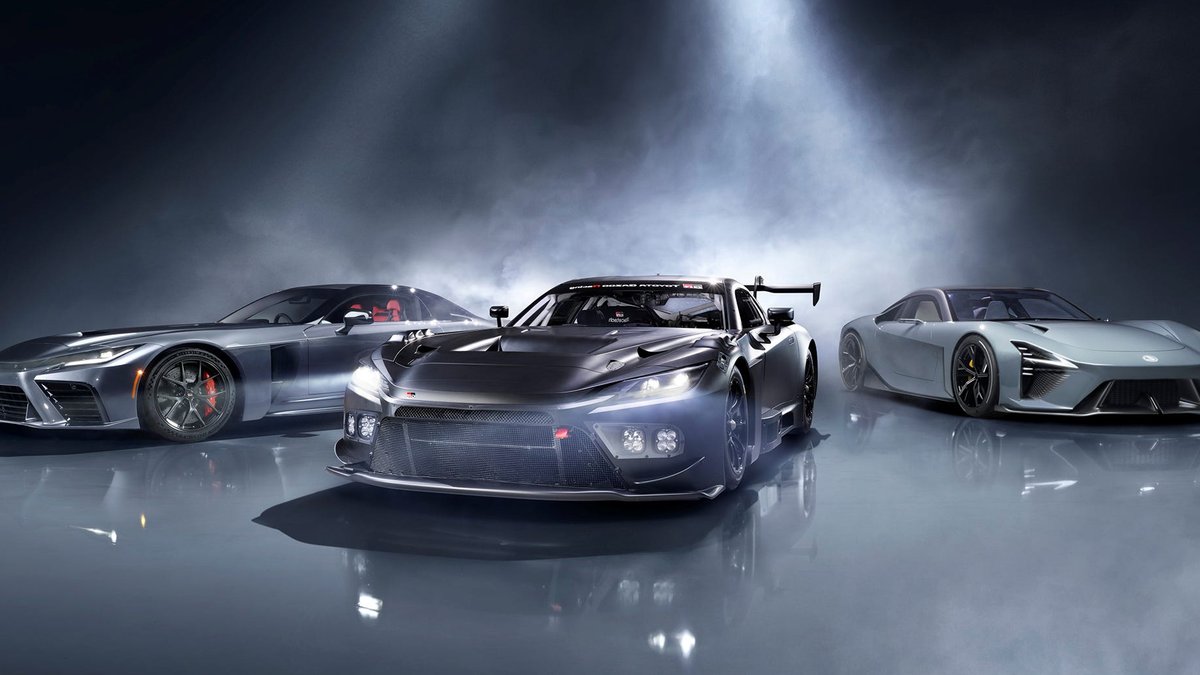
Toyota unveiled a trio of high‑performance models— the GR GT, the GR GT3 and a new Lexus LFA concept— that showcase three distinct power‑train approaches as the company looks to cement its sports‑car legacy.
Technical details of the GR GT powertrain
The GR GT features an all‑aluminum V6 engine with forged pistons, rods and a cross‑plane crankshaft. Twin turbochargers sit in the valley between the 90‑degree cylinder banks, delivering a quoted 641 horsepower and 627 lb‑ft of torque. Power is routed through a carbon‑fiber‑reinforced plastic “torque tube” that connects to a rear‑mounted hybrid unit housing an electric motor and an eight‑speed gearbox.
Inside the transmission, a conical gear set forwards the hybridized output to a mechanical limited‑slip differential, which then splits torque to the rear wheels via half‑shafts. Engineers say the layout shortens the overall power‑train length, a claim that aligns with the compact packaging seen in the cutaway diagram. The design resembles a watchmaker’s detailed work, especially the polished shafts and gearsets that dominate the rear of the unit.
Related: Toyota’s limited GR Yaris Morizo RR sells out fast
Strategic context and motorsport ties
According to the company’s announcement, the three models embody what Toyota calls “Shikinen Sengu,” a Japanese tradition of rebuilding a shrine and its components every few decades. The statement links the new cars to a broader effort to preserve core manufacturing skills while integrating fresh technologies.
From an industry standpoint, the move reflects a broader tension between simplified electric drivetrains and the desire for high‑performance hybrids. Over the past decade, many automakers have expanded pure‑EV lineups, yet Toyota has maintained a hybrid‑first stance, offering only a limited number of battery‑electric vehicles.
The GR GT, GR GT3 and second‑generation LFA, built on an all‑new aluminum spaceframe, signal a deliberate push to demonstrate that complex hybrid systems can still deliver thrilling performance.
Related: Subaru Unveils New Forester Wilderness Hybrid Model
One could argue that the trio serves as a practical training ground for the next generation of engineers. By assigning engineers from across the corporation to develop three flagship vehicles with distinct power‑train architectures, the company is effectively creating a high‑visibility laboratory. This hands‑on experience may translate into stronger technical expertise that benefits the broader product line.
While the press release emphasizes tradition and skill transfer, the underlying message is clear: Toyota is positioning itself to cover a spectrum of power‑train technologies, from traditional internal combustion to hybrid and future‑ready electric solutions. This diversified approach may help the company stay competitive as global emissions standards tighten and consumer preferences evolve.


