BMW Mercedes partnership seen as blasphemy
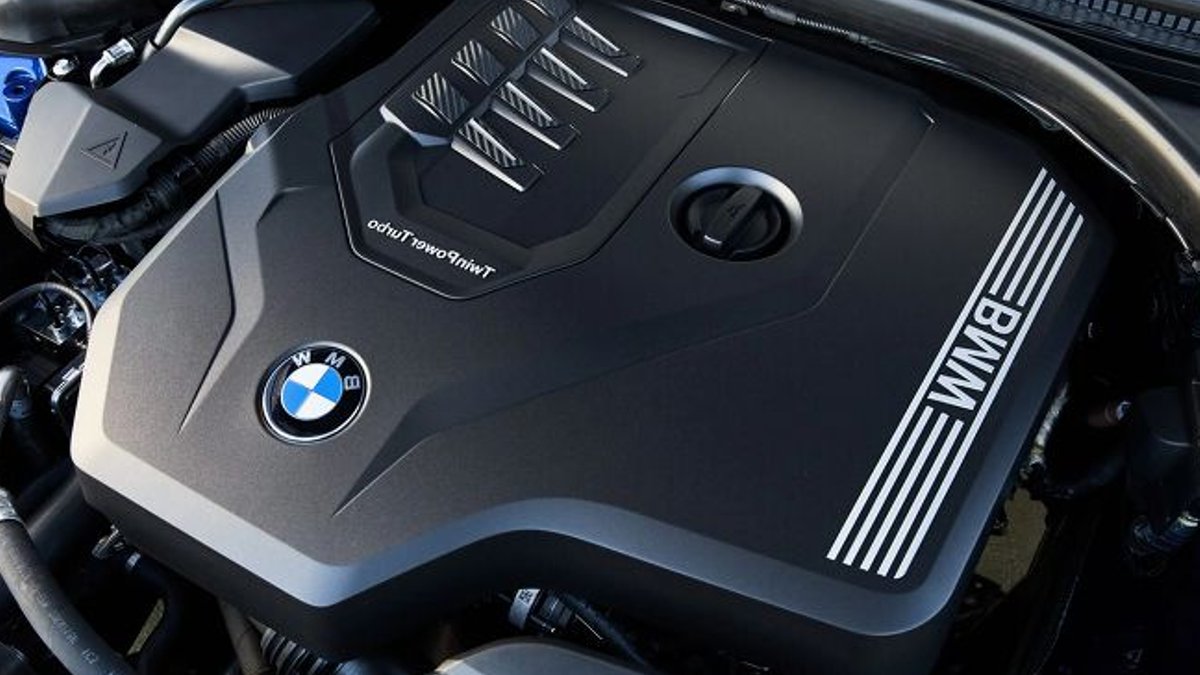
Mercedes-Benz and BMW are reportedly engaged in advanced negotiations to share four-cylinder combustion engines. This development would fundamentally alter the competitive dynamic between the two German luxury rivals. The talks center on Mercedes sourcing BMW’s B48 engine to address slowing electric vehicle adoption and spiraling development costs.
The proposed arrangement would grant Mercedes access to the turbocharged 2.0-liter unit, which is currently manufactured in Steyr, Austria. This engine is already utilized across the BMW and Mini lineups. Its versatility allows for both longitudinal and transverse mounting, making it a practical fit for a wide range of vehicles. Models potentially affected include the CLA, GLA, C-Class, GLC, and the upcoming “Little G.”
Currently, Mercedes relies on its own 1.5-liter M252 engine, produced in China through a joint venture with Geely and Renault. While that unit performs adequately in mild-hybrid applications, it lacks the engineering capacity for plug-in hybrids or range-extenders. The B48 offers specific flexibility in those areas, filling a notable gap in the Stuttgart manufacturer’s current portfolio.
Historic Shift in Rivalry
If finalized, this partnership would mark the first time Germany’s two luxury giants share engine technology. The move reflects growing pressure on automakers to collaborate under strict emissions rules. It also highlights how the financial burden of electrification is creating unusual alliances among competitors who have historically guarded their engineering secrets jealously. Such cross-brand engine sharing is rare in the high-end segment, where brand identity is often tied to proprietary mechanical components.
According to the report, the collaboration could extend beyond powertrains to include shared production facilities outside Europe. The United States is mentioned as a potential location for these joint operations, a strategy designed to help both companies avoid rising tariffs. There are also suggestions that gearboxes could eventually become part of the broader agreement. These details remain unconfirmed but suggest a deeper integration than a simple parts purchase.
The B48 engine’s existing production footprint in Austria provides a logistical advantage for European models. Meanwhile, the potential US-based cooperation addresses the specific tariff challenges facing transatlantic shipments. This dual approach allows both firms to manage costs without abandoning their domestic manufacturing bases entirely. Regulatory and economic pressures are currently reshaping traditional competitive boundaries in the auto industry.
As negotiations continue, the outcome will determine whether Mercedes can reduce reliance on its Chinese-built engine. The B48 would offer a more robust foundation for future hybrid strategies. Whether this leads to a permanent strategic alliance or a temporary cost-saving measure remains to be seen. For now, the two brands are exploring a path that neither would have considered viable just a few years ago.


