2005 Corvette C6 Redesign Shocked Purists
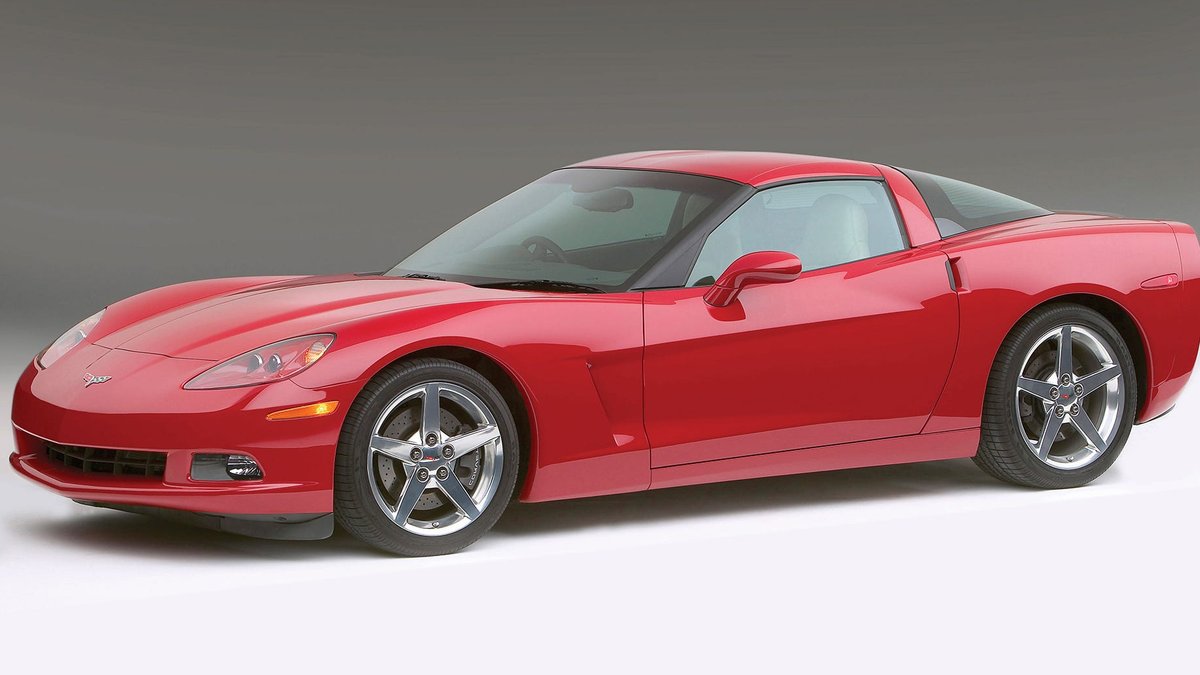
Don’t believe your eyes. The car may look like the current Corvette with fixed headlamps, but it is an all-new interpretation of the classic American sports car. Chevrolet’s engineers and designers have changed many visible parts and even more that cannot be seen. The 2005 sixth-generation, known as the C6, represents a significant shift in philosophy for the brand.
At the heart of the update is the new Gen-IV LS2 V-8. It produces 400 horsepower in base form. The vehicle itself is five inches shorter than the previous C5 generation, bringing it within 0.1 inch of the Porsche 911 in length. This tighter package aims to bridge the gap between American muscle and European precision.
A Controversial New Face
Design Chief Tom Peters reinterpreted the Corvette profile with a look he describes as “a Coke bottle designed by Picasso.” The front and rear fenders arc down at the doors, connected by a complicated inverse shoulder line. The side cove is larger, emphasizing the car’s muscular stance, while the jet-fighter canopy leans back compared to the forward slant of the C5.
Perhaps the most jarring change for enthusiasts is the lighting. After more than 40 years of disappearing headlamps, a Corvette with flush-glass lighting will take some getting used to. High-intensity Xenon high- and low-beam lamps reside under a clear plastic cover. This setup allows for a “flash-to-pass” feature required in European markets. Peters notes that “there was a lot of internal commotion about this, and the decision to go or not go with fixed headlights was nearly 50/50.”
Related: Chrysler Unveils Arrow Models Under $30,000
While some argue the fixed lights look cleaner, others find them busy or strangely shaped. They are, however, mechanically simpler. Front fenders kick up at a sharper angle from the hood, making the tops more prominent from the driver’s seat. The aesthetic result is a blend of Ferrari 456 and Dodge Viper influences.
This pivot toward fixed lighting highlights a broader strategy to Europeanize the Corvette’s image. By abandoning a nostalgic trait that defined the model for decades, Chevrolet signaled that global competitiveness mattered more than historical continuity. The dimension shifts and the focus on aerodynamic efficiency over traditional styling cues reinforce the intent to steal sales from established German rivals.
Interior and Mechanical Tweaks
Inside, the cabin has finally climbed above what many considered rental-car-level quality. The lighter of two-tone colors extends three-quarters of the way up the doors, creating a more spacious feel. The unloved “membrane” power-window controls are gone, replaced by conventional black plastic units. Black interior trim has been swapped out for lustrous ebony.
Vehicle-line executive Dave Hill, just the third chief engineer in Corvette’s history, emphasized the extent of the overhaul. “You could put all the parts [carried over from the C5] in a bushelbasket,” he said.
Related: User Blocked from Online Service
The seats now feature power lumbar and side bolsters, with airbags integrated into the sides. The doors include side pockets and a vertical grab-handle for the passenger. Even the cupholders, which Hill previously described as “fairly lousy,” have been replaced by a covered two-cup compartment next to the shifter.
Technological upgrades abound. The instrument cluster uses white LEDs and high-contrast needles. A new head-up display offers a tach dial with two track modes and can show directions from the optional DVD-navigation system. The track modes display a rev-counter meter, a digital speed readout, and lateral acceleration in Gs.
Outside, the C6 features hidden door handles similar to those on the Cadillac XLR. These handles have a matte-charcoal vertical stripe to make them easy to find. The vehicle uses the XLR’s keyless entry and ignition system; drivers simply keep the fob in their pocket and push a button. A hidden key system provides a backup in case of electrical failure. Additionally, the side glass is indexed. When the door handle is touched, the glass powers down slightly to unseal from the roof, ensuring a tighter seal and preventing window “blowout” up to 180 mph.


