Aramco unveils cost‑effective retro‑tech hybrid powertrain
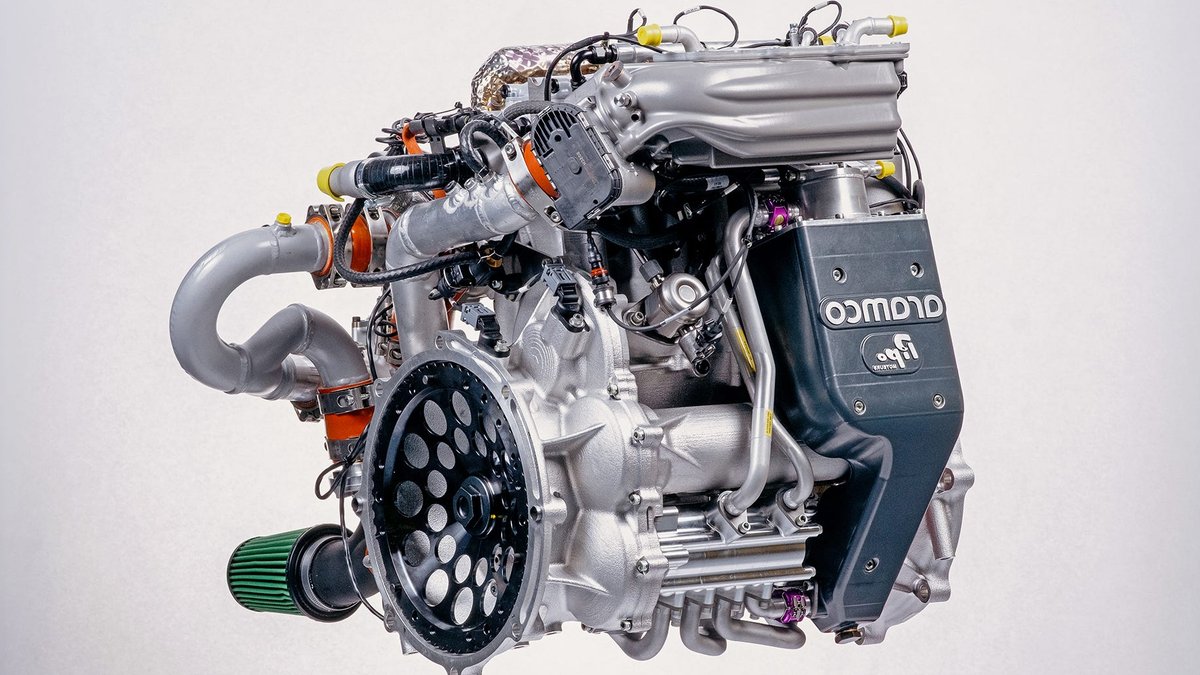
Aramco’s new Dedicated Hybrid Engine (DHE) powertrain aims to keep gasoline engines competitive by blending a compact internal‑combustion design with dual motor‑generator units, offering a cost‑effective alternative to conventional hybrids.
Engine architecture breaks from tradition
The proof‑of‑concept DHE uses a 1,599 cc inline three‑cylinder engine built around a cam‑in‑block pushrod layout. By eliminating a separate cylinder head, the engine rests on a monoblock casting and employs just two valves per cylinder, removing variable valve timing and lift mechanisms. Roller bearings replace traditional journal bearings, and the crankshaft is offset 12 mm from the cylinder‑bore centers to cut piston side loading. All accessories, including the water pump, run electrically on demand, removing the need for a belt‑driven accessory drive.
Thermal efficiency is a focus. The undersquare bore‑stroke combination—82 mm bore and 101 mm stroke—reduces surface‑to‑volume ratio, limiting heat loss. A high‑tumble, low‑swirl intake paired with direct and port injection encourages rapid, complete combustion. Late intake‑valve closing (LIVC) maintains a full expansion ratio while lowering effective compression, and cooled exhaust gas recirculation (EGR) eases throttling losses under light load. The manufacturer claims a thermal efficiency of 41‑42 percent, with future upgrades such as Mahle‑type pre‑chamber ignition and an e‑booster replacing the turbo.
Related: 2025 Toyota 4Runner SR5 4×2 Shines in Test
Electric side mirrors the engine
Each end of the crankshaft connects to an epicyclic gearset, where a sun gear drives a motor‑generator that primarily functions as a generator, while the outer ring gear links to a traction motor geared to the wheel. This arrangement mirrors Toyota’s Hybrid system but adds a second planetary assembly, eliminating the need for a conventional differential and sharing lubricant between the engine and gearsets.
Aramco’s involvement in hybrid technology extends beyond the DHE. The company holds a 10 percent stake in the Horse Powertrain joint venture, formed by Renault and Geely/Volvo after they spun off their combustion‑engine businesses. Horse specializes in turnkey engines and range‑extenders that can be added to existing platforms, positioning Aramco as a player in both new‑engine development and retrofit markets.
Development timeline and next steps
The project originates from Aramco Americas Detroit Research Center, led by engineer Nayan Engineer, who previously worked on gasoline direct‑injection compression‑ignition programs at Hyundai, Mercedes‑Benz, and General Motors. French motorsports engine maker Pipo Moteurs fabricated two running prototypes, which are currently undergoing testing. A recent SAE World Congress session highlighted the DHE, and a U.S. patent (U.S. 12,558,950 B2) was granted on February 24, 2026, marking the start of commercial outreach.
Related: UK to introduce mileage-based EV tax from 2028
While no automaker has formally committed to the DHE yet, the presence of a full audience at the SAE event suggests industry curiosity. If the powertrain can meet its projected fuel‑economy targets at the stated price premium, it may become a viable option for manufacturers balancing cost pressures with emissions regulations.
Future progress will depend on how quickly the prototypes transition to production‑ready units and whether automakers adopt the modular engine family for new models or retrofits. Continued testing and validation will be essential to demonstrate durability, especially under the varied operating conditions expected in global markets.


