Walmart Bets Big on Electric Vehicle Charging
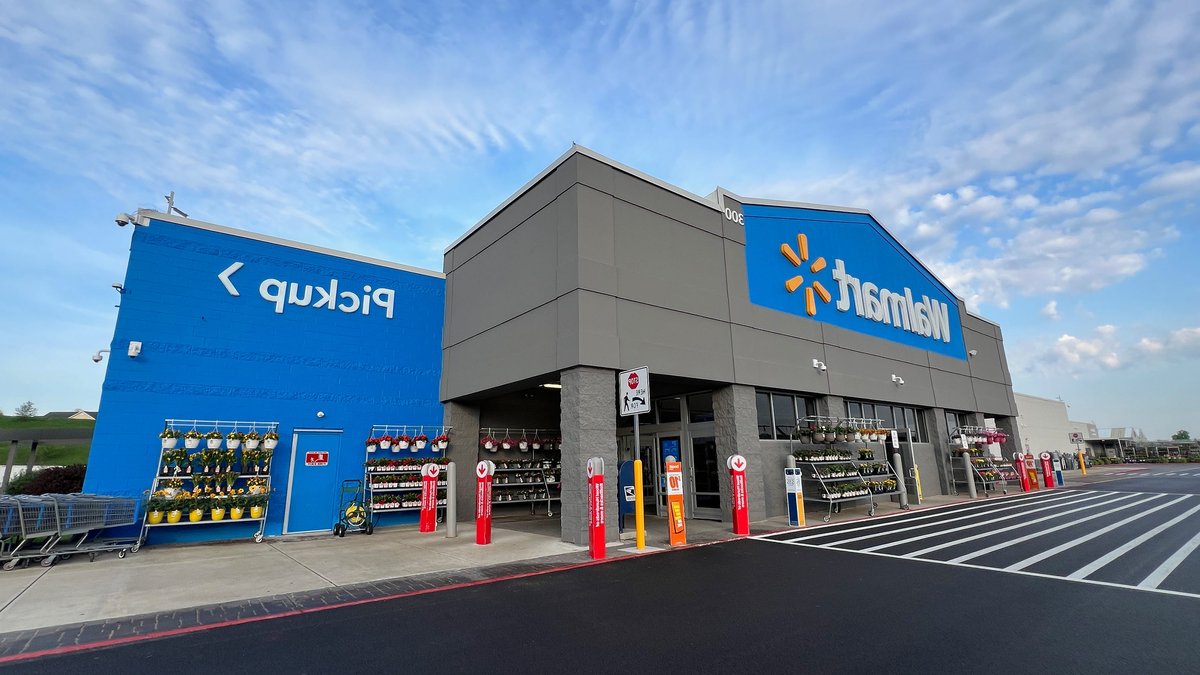
Walmart is moving aggressively into the electric vehicle charging market, installing DC fast chargers at a rate second only to Tesla across its U.S. locations. The retail giant is betting that its existing real estate and customer traffic can transform these stations into profitable hubs, not just for electricity but for retail sales.
Walmart has begun this rollout quietly behind the scenes. The company provided a standard statement when asked about the strategy: “our broad footprint positions us to make EV charging more accessible for communities while expanding the way we serve customers.” The retailer didn’t get to be the world’s largest merchant by accident, so making charging more accessible is likely just a convenient side effect of a larger plan.
The business logic seems to rely on retail capture. Much like traditional gas stations profit more from convenience stores and car washes than from fuel, Walmart anticipates that drivers spending 20 to 40 minutes charging will wander inside to shop. If they just use the restroom, they are already in the door, which statistically increases the odds of a purchase. One expert cited by the report noted that stores with chargers nearby generally see a 5 percent sales increase.
Unlike pure-play charging networks that struggle to generate profit, Walmart already has the heavy lifting done. It leases parking lot space to other charging networks like Electrify America, and it possesses roughly 4,600 stores and 601 Sam’s Club locations. S&P Global estimates that 90 percent of Americans live within 10 miles of a Walmart, giving the company a geographic advantage that few competitors can match.
Related: Iconic Mazda $2M Race Car Burns at Laguna
How the model works
Walmart appears to be treating these chargers as an incentive rather than a profit center on the electricity itself. According to crowd-sourced data from Wattmart, the average price for a fast charger is $0.42 per kilowatt-hour, a rate that undercuts many competitors. While no locations are currently open in high-cost states like California, the pricing strategy in other areas offers a clear draw for cost-conscious drivers.
Charging at Walmart is integrated with the existing loyalty program. Walmart+ subscribers receive a discount on rates when they use the app to pay. This creates a feedback loop where the more customers use the service, the more data the retailer gathers about usage patterns, potentially allowing for more efficient grid management and targeted promotions in the future.
Walmart’s strategy leverages its massive store count to dominate the infrastructure. By installing stations at a pace second only to Tesla, the company ensures it remains a leader in the space. The competitive setting is shifting rapidly as traditional retailers enter the market, forcing established EV charging companies to adapt to new competitors.


