Mercedes risks US ban over Chinese ties
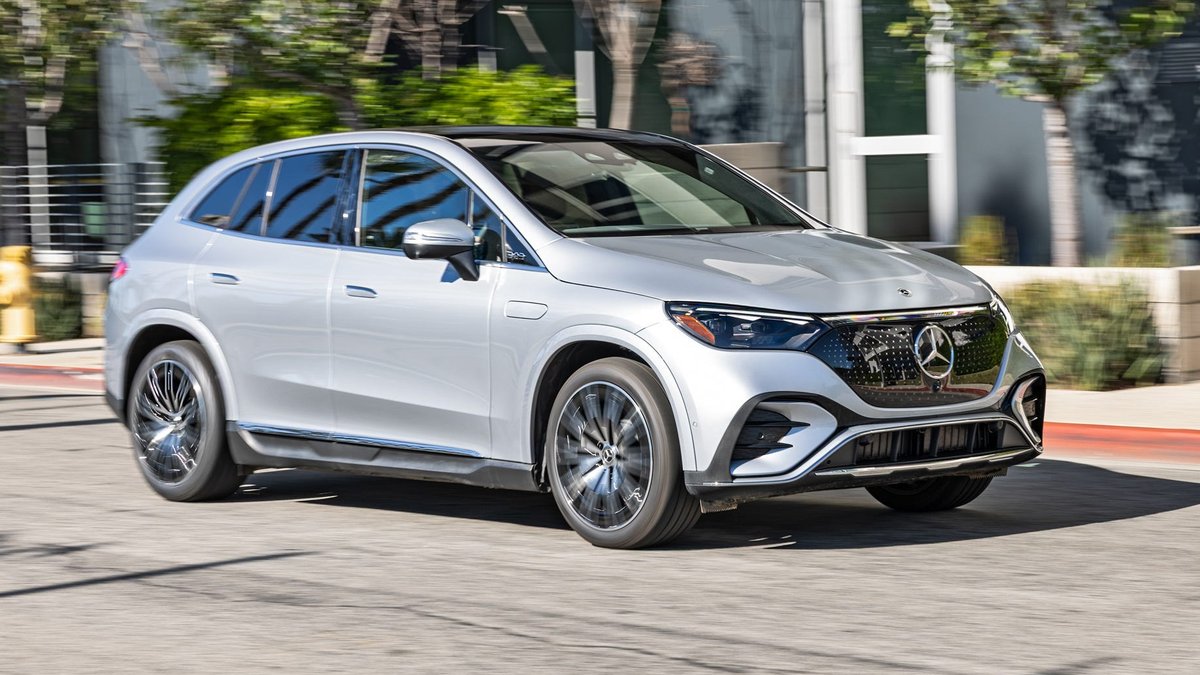
A Mercedes-Benz spokesperson recently addressed the potential impact of new legislation targeting automakers with ties to China. The representative stated that the company is committed to supporting laws designed to protect U.S. national security. At the same time, Mercedes emphasized that any such measures must ensure that the company’s operations in the United States remain viable. This dual stance highlights the tension between national security concerns and the operational realities of international automotive business.
Senate Debate Over Battery Rules
The discussion around the bill’s amendments also showed there is still a lot of confusion in Washington regarding how electrified vehicles are built and how battery components are sourced. This confusion was evident during the portion of the bill’s discussion on rules banning Chinese Battery Management Systems. Introduced by Illinois Democratic Sen. Tammy Duckworth, these rules were based on existing Biden-era regulations. The debate highlighted the complexity of defining a secure supply chain in an industry where components often cross borders multiple times before a vehicle is finished.
Senator Ted Cruz criticized the approach, suggesting that the bill would require automakers to buy batteries from General Motors. He argued this would add up to $5,000 to the cost of electric vehicles without fixing the national security risks the legislation aimed to solve. The amendment ultimately failed to pass, but the session exposed the difficulty lawmakers face in dealing with the supply chains that define modern electric vehicles.
Related: Tesla to Reclaim 15 Canadian‑Imported Model 3 Y
The debate took a turn when Senator Marco Moreno questioned why General Motors was the focus of these provisions. He pointed out that Rivian receives its battery assemblies from China. Confusingly, Moreno also stated that Tesla makes more of its vehicles in the U.S., despite the fact that the Model Y base and Model Y L are assembled in China using Chinese-manufactured battery packs for import into Canada.
Giga Texas begins production later this year. The senator’s comments seemed to blur the lines between where a company is headquartered and where its specific components are manufactured.
The back-and-forth between senators revealed a fragmented understanding of the automotive supply chain. While some lawmakers focused on where a final vehicle is built, others pointed to the sourcing of battery cells or specific internal components. This discrepancy creates a regulatory environment that is challenging for automakers to handle. Definitions of “American-made” and “secure” vary wildly depending on which stage of production a representative chooses to scrutinize.
Related: Volkswagen ID Polo orders start this week
GM and Rivian Respond to Lawmakers
General Motors pushed back against Senator Cruz’s characterization of the bill. A company spokesperson confirmed that GM supports policies that protect and strengthen American manufacturing and the global competitiveness of U.S. automakers. The spokesperson noted the company’s commitment to long-term investments in domestic workforce and technology. “We can compete with anyone in the world when we are given a level playing field,” the statement read.
Rivian countered that it is a proud American automaker. The company employs thousands of people at its facility in Normal, Illinois. Rivian stated that its vehicles are designed, engineered, and assembled in the United States, adding that while all automakers rely on complex supply chains, it is dedicated to promoting a robust American manufacturing base.


