Tesla to Reclaim 15 Canadian‑Imported Model 3 Y
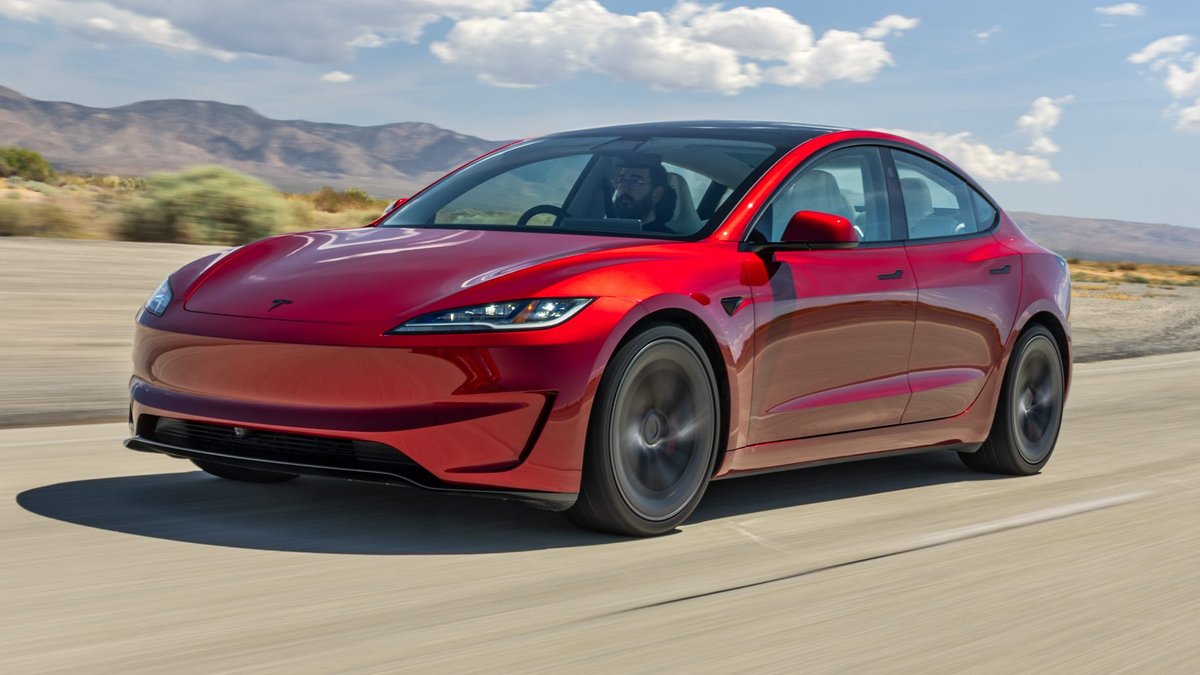
Tesla will buy back 15 Model 3 and Model Y EVs imported from Canada after discovering that the vehicles do not meet U.S. crash safety standards.
What triggered the recall
The 15 cars consist of twelve 2024 Model 3 sedans and three 2026 Model Y SUVs built at the Shanghai and Berlin factories. They were originally destined for the Canadian market, where they comply with Canada’s version of the Federal Motor Vehicle Safety Standards (FMVSS). Between June 2024 and April 2026, U.S. buyers requested letters of compliance so the vehicles could be registered for road use in the United States.
Those letters asserted conformity with FMVSS, except for minor labeling and daytime‑running‑light requirements. Later internal reviews uncovered design differences that made the Canadian‑spec models non‑compliant, prompting the company to halt issuance of such letters.
Related: Volkswagen ID Polo orders start this week
Why the vehicles are not legal in the United States
The primary shortfall is the absence of a knee‑airbag, a safety feature required for U.S.‑spec Model 3 and Model Y vehicles. The 2026 Model Y also lacks bumper impact‑resistance testing that satisfies FMVSS guidelines. Without these elements, the cars cannot be legally driven on U.S. roads.
According to the recall documentation, the non‑compliance violates 49 U.S. Code § 30120, which obligates manufacturers to remediate unsafe vehicles. Consequently, Tesla announced a buy‑back program for the affected owners.
How the import process slipped through
Customers who pursued the import filed requests outside the normal communication channels. In late April, a request that fell “outside the customary communication channel” triggered an internal audit of the import verification procedures. The audit, completed by June, identified the design gaps and led to the cessation of compliance letters for all Canadian‑market Teslas.
Related: UNECE approves framework for fully autonomous vehicles
Service centers and Tesla stores have already been alerted to the situation. Owners will receive a notice by September 5 indicating the buy‑back terms and confirming that their vehicles are now classified as non‑compliant.
The recall affects only a small batch. It highlights how variations in regional safety standards can create regulatory blind spots.
What owners can expect
Each of the fifteen owners will be contacted with a formal letter outlining the repurchase process. The company will rescind any previously issued compliance letters and issue new documentation stating the vehicles’ non‑compliant status. The buy‑back is required under federal law, so owners have little choice but to return the cars.


